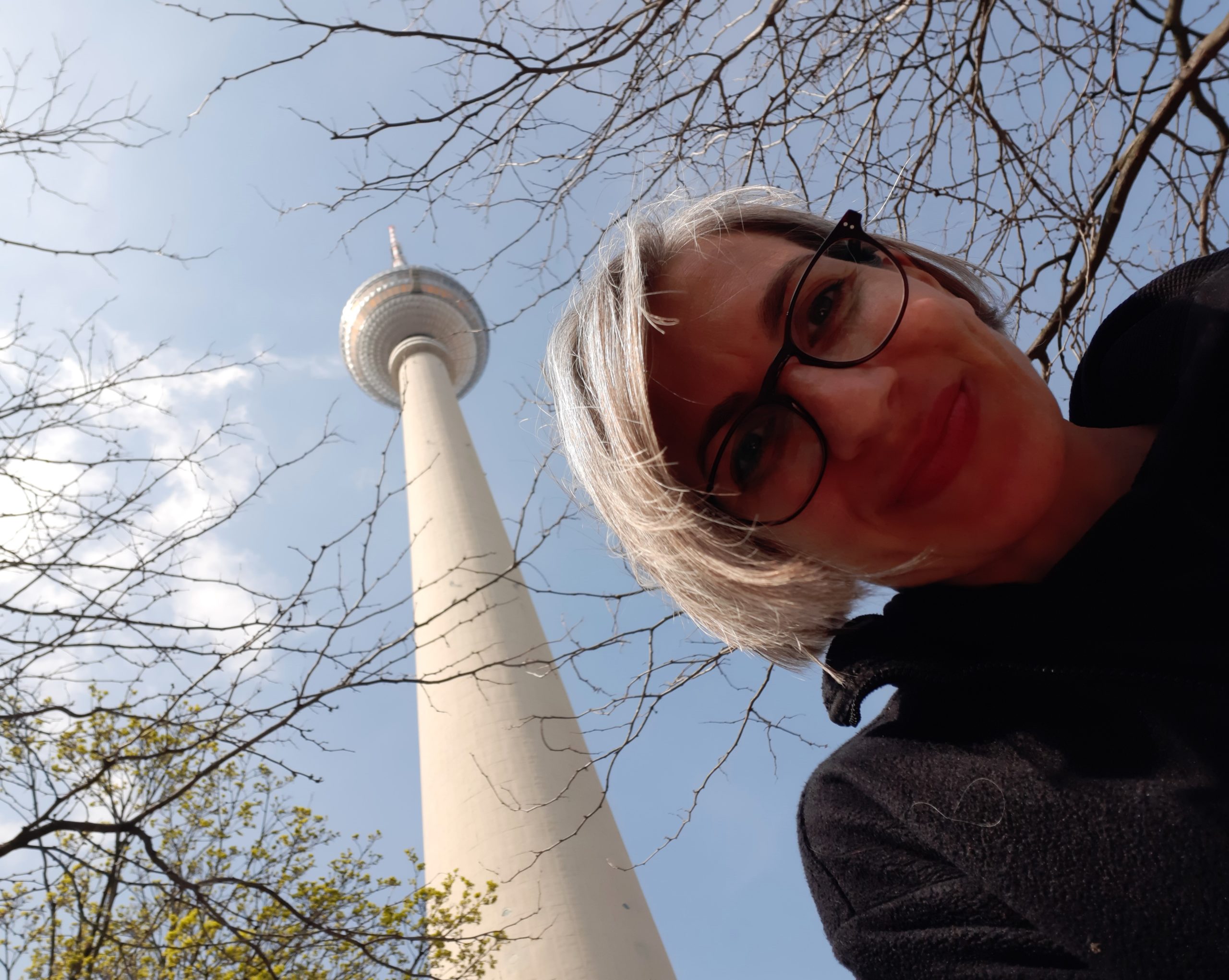
I have a Master’s Degree in Foreign Languages for International Communication and I have been working as a translator since 2008. I translate from German, English and Portuguese into Italian, my mother tongue. I translate because I love to, with passion, and with the ambition to make our world a better place.
Contact me for a free, non-binding quote. I look forward to finding out about your project, exploring new cognitive and terminological horizons, and working with you on your project with all the passion, professionalism, and precision I have.
Because I decided to make my passions my job and my job my passion.
When I was just starting out, I took part in a training course for young businesswomen in Berlin. Here, I was given an A4 sheet of paper with a single sentence printed in bold:
Dream big enough. By the time your dreams reach the earth, they will have shrunk by themselves.
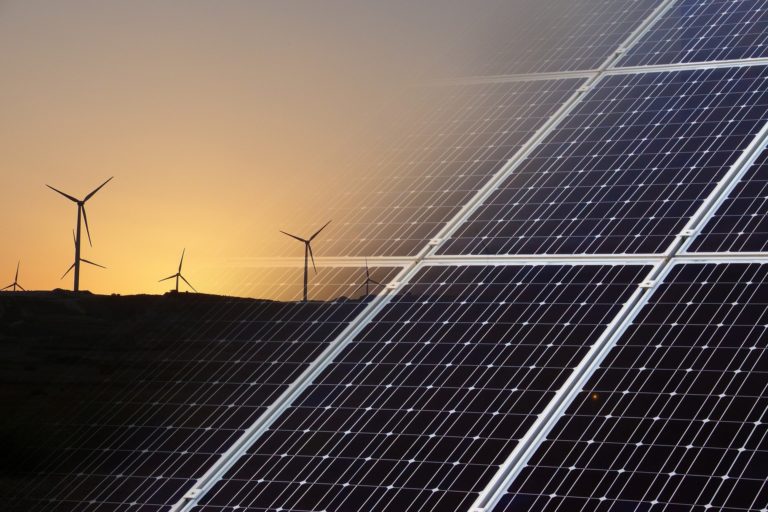
I dream big. Ambitiously and in line with my daily efforts, with my values and passions, as a translator, I want to help making the planet we live on a better place and improve the life of its inhabitants.
How?
By putting my activity as a translator at the service of customers (agencies, companies, associations and individuals) who operate in sectors that protect the environmental and the psycho-physical integrity of the people who live on our planet, and by supporting brands that respect the environment and refuse to discriminate in any way.
By trying to maintain a balance between my professional and private life, giving the right value to my work and eliminating, whenever possible, any form of waste: of unnecessary materials (such as paper and plastic) as well as of energy due to a lack of communication and organization.
We use cookies on our website to give you the most relevant experience by remembering your preferences and repeat visits. By clicking “Accept”, you consent to the use of ALL the cookies.
This website uses cookies to improve your experience while you navigate through the website. Out of these, the cookies that are categorized as necessary are stored on your browser as they are essential for the working of basic functionalities of the website. We also use third-party cookies that help us analyze and understand how you use this website. These cookies will be stored in your browser only with your consent. You also have the option to opt-out of these cookies. But opting out of some of these cookies may affect your browsing experience.
Necessary cookies are absolutely essential for the website to function properly. This category only includes cookies that ensures basic functionalities and security features of the website. These cookies do not store any personal information.
Any cookies that may not be particularly necessary for the website to function and is used specifically to collect user personal data via analytics, ads, other embedded contents are termed as non-necessary cookies. It is mandatory to procure user consent prior to running these cookies on your website.